
Can a Chiropractor Help With Vagus Nerve Problems?
What the Vagus Nerve Is, What Happens When It Is Dysregulated, and the Chiropractic Connection in Gilbert, AZ
Centric Chiropractic | Gilbert, AZ | Serving Chandler, Mesa & Queen Creek
🛑 Scope of Practice Disclaimer
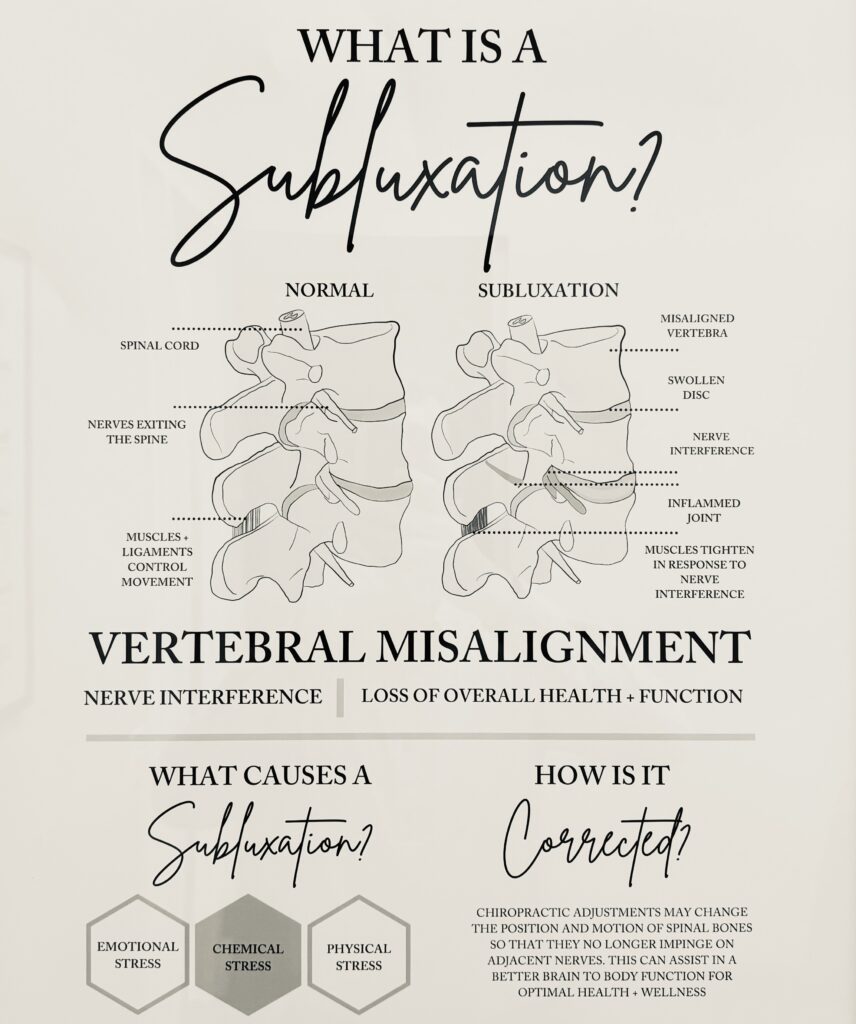
The information in this article is for educational purposes only and does not constitute medical advice. Chiropractic care, as practiced at Centric Chiropractic, does not diagnose, treat, or cure any disease, illness, or medical condition. The sole focus of chiropractic care is the detection and correction of vertebral subluxations — areas of spinal dysfunction that create interference in the nervous system. Any improvements in health or wellbeing that patients report are the result of the body’s own innate capacity to self-regulate when nervous system interference is reduced. Chiropractic care is not a substitute for medical care. Always consult your physician or qualified healthcare provider regarding any medical condition or before beginning any new healthcare regimen.
If you have found this page, there is a good chance you have already gone down the vagus nerve rabbit hole. You know that it is important. You know it has something to do with stress, digestion, inflammation, heart rate, and overall nervous system regulation.
And now you are wondering: can a chiropractor actually help with vagus nerve function?
The honest answer is: there is an important and scientifically grounded connection between the spine, chiropractic adjustments, and vagus nerve regulation — and it is more significant than most people realize. But it requires an honest conversation about what chiropractic does and does not do, and what the current evidence actually says.
What Is the Vagus Nerve?
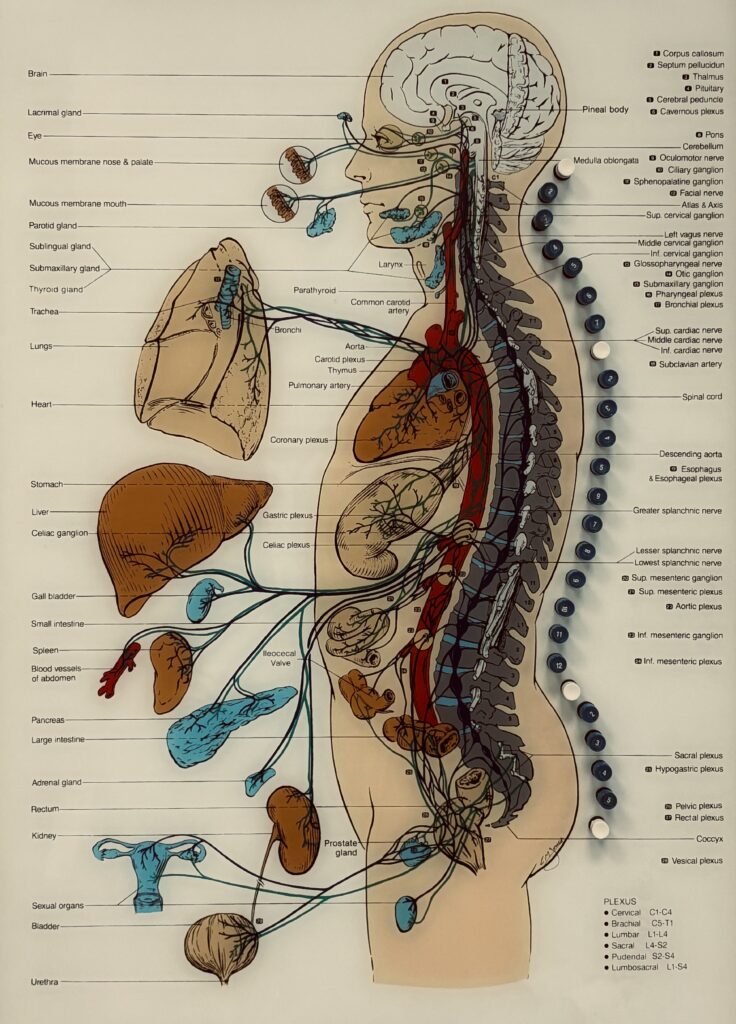
The vagus nerve — from the Latin word for “wandering” — is the longest cranial nerve in the body. It originates in the brainstem, exits the skull, descends through the neck, passes through the thorax, and extends all the way into the abdomen — sending branches to the heart, lungs, esophagus, stomach, liver, gallbladder, pancreas, spleen, kidneys, and large intestine.
The vagus nerve is the primary vehicle of the parasympathetic nervous system — the “rest, digest, and repair” branch. It governs:
· Slowing heart rate and regulating heart rate variability (HRV)
· Stimulating digestion and gut motility
· Regulating the inflammatory response through the cholinergic anti-inflammatory pathway
· Governing respiratory rate and depth
· Modulating immune cell activity
· Supporting emotional regulation and the ability to shift out of stress
· Coordinating the gut-brain axis
Vagal tone — a measure of how well the vagus nerve is functioning — is increasingly recognized as a critical indicator of overall health. High vagal tone is associated with better cardiovascular health, more effective immune regulation, better digestion, and lower all-cause mortality. Low vagal tone is associated with chronic inflammation, poor stress resilience, and digestive dysfunction.
What Is Vagus Nerve Dysregulation?
Vagus nerve dysregulation — sometimes called low vagal tone — refers to a state in which the vagus nerve is not functioning with its full regulatory capacity. This can manifest as:
· Chronic digestive issues — bloating, constipation, gastroparesis, IBS-type symptoms
· Difficulty shifting out of a stressed or anxious state
· Poor heart rate variability
· Chronic low-grade inflammation that does not fully resolve
· Fatigue, particularly post-exertional fatigue
· Difficulty with emotional regulation and social connection
· Frequent illness or slow recovery from illness
Chiropractic care does not diagnose, treat, or cure vagus nerve disorders or dysautonomia. The focus of chiropractic care is the detection and correction of vertebral subluxations that create interference in the nervous system. The relationship between chiropractic and vagus nerve function is a nervous-system-level relationship, not a treatment for any specific condition.
The Anatomy: Why the Spine Matters for Vagus Nerve Function
The vagus nerve exits the brainstem and immediately passes through the area directly adjacent to the upper cervical spine — specifically the atlas (C1) and axis (C2) vertebrae at the very top of the neck. The cranial base, the occiput, and the upper two cervical vertebrae form a complex neurological junction where the brainstem transitions to the spinal cord — and where the vagus nerve, along with several other cranial nerves, exits the skull.
Subluxations in the upper cervical spine create mechanical stress in precisely this region, which can affect:
· The meningeal tension of the dura mater, the connective tissue sheath that envelops the brainstem and spinal cord
· The local tissue environment surrounding the vagus nerve as it exits the cranium
· The quality of afferent input flowing from the upper cervical mechanoreceptors into the brainstem, which directly influences autonomic nervous system tone
This is the anatomical rationale for why upper cervical chiropractic adjustments may have meaningful effects on vagal tone and parasympathetic nervous system function.
What Does the Research Actually Say?
Here we want to be careful and honest, because the research is both promising and still developing.
📊 A 2018 study found that chiropractic adjustments produced measurable improvements in heart rate variability — a key indicator of vagal tone and autonomic nervous system adaptability. A second study found that 52 weeks of sustained chiropractic care resulted in long-term improvements in HRV (American Chiropractors Association, 2021).
📊 A 2024 review acknowledged that while some studies suggest autonomic changes occur following spinal manipulation, the evidence base remains mixed, with a 2024 systematic review finding low-quality evidence in some populations. The honest conclusion is that the relationship exists but requires further high-quality research.
📊 Research published in PMC (2024) found that chiropractic adjustments produce neuroplastic changes in brain regions associated with autonomic regulation, self-regulation, and internal body monitoring — changes that compound with consistent care (Haavik et al., 2024).
In plain language: there is a scientifically grounded anatomical and physiological rationale for a connection between upper cervical chiropractic adjustments and vagus nerve function. The early research is encouraging. The full picture is still being established.
What Do Chiropractic Patients Actually Notice?
While the research continues to develop, patients who come to our Gilbert chiropractic clinic seeking nervous system support consistently report:
· Improvements in gut motility, bloating, and overall digestive comfort
· Feeling more regulated and less reactive to stress after upper cervical adjustments
· Improvements in HRV scores following chiropractic visits (in athletes who track this metric)
· More consistent energy and faster recovery in patients with chronic fatigue
· Children who seem more settled, better regulated, and more emotionally available after chiropractic care
To be clear: we are not claiming chiropractic treats any of these presentations. We are observing that when the nervous system is given a clearer pathway — when subluxations in the upper cervical and thoracic spine are corrected — the body’s own regulatory systems, including the vagus nerve, are better positioned to do their job.
What About the Thoracic Spine?
The vagus nerve does not only have a relationship with the upper cervical spine. As it descends through the thorax, the sympathetic nervous system ganglia that run parallel to the thoracic spine are part of the autonomic matrix the vagus nerve must balance against. Thoracic subluxations — extremely common in people with sedentary lifestyles and forward posture — create a bias toward sympathetic dominance that the vagus nerve must work harder to counterbalance. Correcting thoracic restrictions reduces that sympathetic load and creates a more favorable environment for vagal tone to improve.
Searching for a “vagus nerve chiropractor Gilbert AZ,” “nervous system regulation chiropractic East Valley,” “upper cervical chiropractor Gilbert Arizona,” or “autonomic nervous system chiropractic near me?” Centric Chiropractic in Gilbert, AZ takes a nervous-system-first approach to chiropractic care focused on clearing the interference that prevents the body from regulating itself.
🧠 Your Nervous System Deserves a Clear Signal. Let’s Find Out What’s in the Way.
Call Centric Chiropractic in Gilbert, AZ today to schedule your nervous system assessment. Whether you are dealing with chronic stress dysregulation, digestive dysfunction, fatigue, or simply want to support your vagal tone proactively, we are here to help.
References
Haavik, H., et al. (2024). Neuroplastic responses to chiropractic care. PMC. https://pmc.ncbi.nlm.nih.gov/articles/PMC11592102/
Australian Spinal Research Foundation. (2024). Reducing neuroinflammation: How the vagus might be key. https://spinalresearch.com.au
American Chiropractors Association. (2021). Chiropractic adjustments influence the vagus nerve. https://www.americanchiropractors.org
Tracey, K. J. (2009). Reflex control of immunity. Nature Reviews Immunology, 9(6), 418–428.